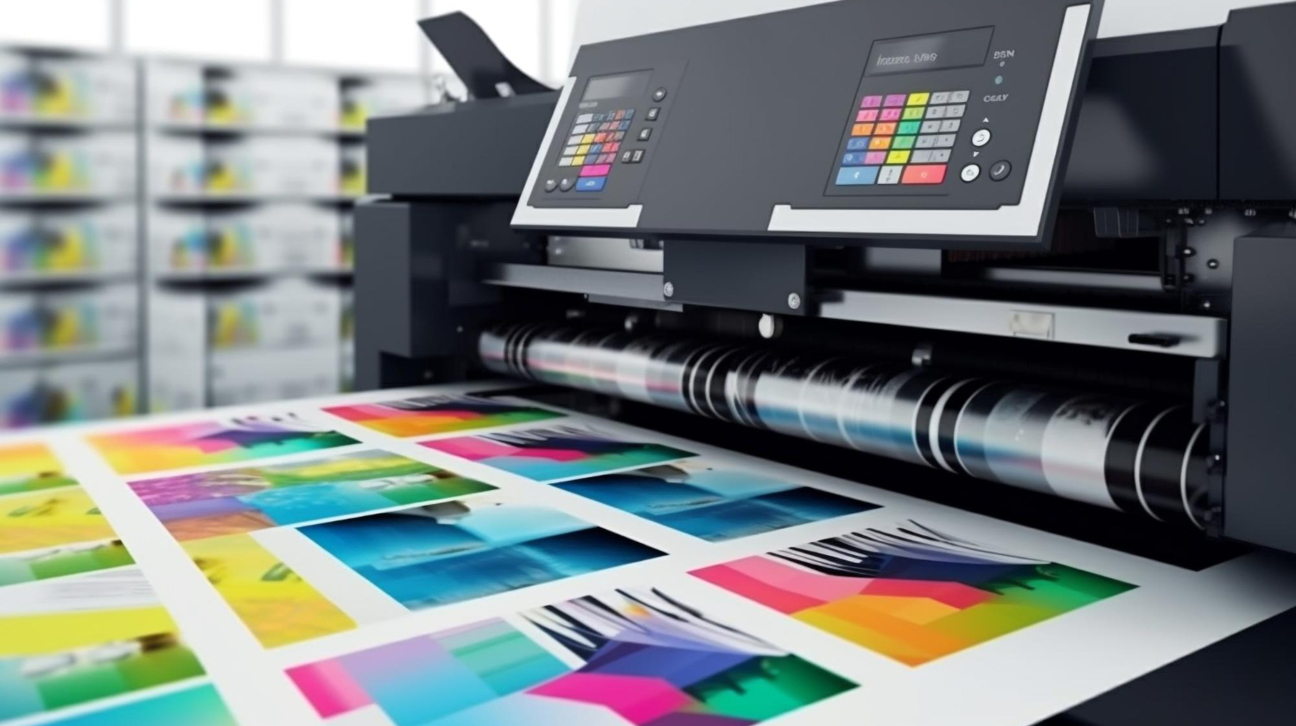
Digital printing has revolutionized the printing industry, offering a flexible and efficient alternative to traditional methods. As businesses and individuals increasingly turn to digital printing for their projects, it's essential to understand when to use this technology, along with its benefits and limitations. This article explores the key aspects of digital printing to help you determine when it’s the right choice for your needs.
Digital printing involves directly transferring digital images onto various media using inkjet or laser printers. Unlike traditional printing methods, such as offset printing, digital printing does not require plates or extensive setup, allowing for quicker turnaround times and greater flexibility.
Quick Turnaround Times
One of the most significant advantages of digital printing is its speed. Without the need for plate creation, projects can be completed much faster. This is particularly beneficial for time-sensitive materials, such as promotional flyers or event signage.Cost-Effective for Short Runs
Digital printing is often more economical for smaller print jobs. The lack of setup costs associated with traditional printing methods means that you can produce low quantities without incurring high costs per unit.Customization and Personalization
Digital printing allows for easy customization, making it ideal for projects that require variable data printing. This means you can personalize each piece, such as direct mail campaigns or invitations, without additional costs or complexity.Reduced Waste
Since digital printing doesn't require plates, it generates less waste compared to traditional methods. This can lead to more environmentally friendly printing practices, particularly for smaller projects.High-Quality Output
Advances in digital printing technology have significantly improved print quality. Many digital printers can produce sharp images and vibrant colors, making them suitable for a wide range of applications, including marketing materials and fine art prints.
Higher Costs for Large Runs
While digital printing is cost-effective for small quantities, the cost per unit can increase with larger print runs. For high-volume printing, traditional methods like offset printing may be more economical.Limited Material Options
Digital printing is compatible with various media, but it may not offer the same range of substrates as offset printing. Some specialty papers or finishes may be better suited to traditional methods.Color Accuracy and Consistency
Although digital printing has improved in terms of color quality, achieving precise color matching can be more challenging compared to offset printing. For projects requiring strict color consistency, such as brand materials, offset may be a better choice.Speed vs. Quality Trade-offs
While digital printing is fast, there can be a trade-off in quality for certain applications. For extremely high-quality prints, especially in fine art or photography, traditional methods might still hold an edge.Limited Print Sizes
Digital printers often have size limitations, which could restrict your options for larger projects. If you need oversized prints or special formats, you may need to consider alternative printing methods.
Digital printing is best suited for:
Short-Run Projects: When you need a small number of prints, such as business cards, brochures, or invitations.
Time-Sensitive Materials: Projects with tight deadlines, like event signage or promotional materials.
Customizable Products: When personalization is required, such as direct mail campaigns or customized gifts.
Proofing and Samples: For proofs or samples that require quick turnaround without the need for large quantities.
Digital printing offers numerous advantages, including speed, cost-effectiveness for small runs, and the ability to customize. However, it also has limitations, particularly for large quantities and specialty materials. Understanding when to use digital printing will help you make informed decisions for your projects.
By carefully weighing the benefits and limitations, you can determine if digital printing aligns with your printing needs, ensuring that your projects achieve the desired quality and impact. Whether you’re a business owner, designer, or individual, leveraging the strengths of digital printing can enhance your printing experience.